By MoneyMatters Staff
You can have the best product, the best team, and the best customers. But if you run out of cash, your business dies.
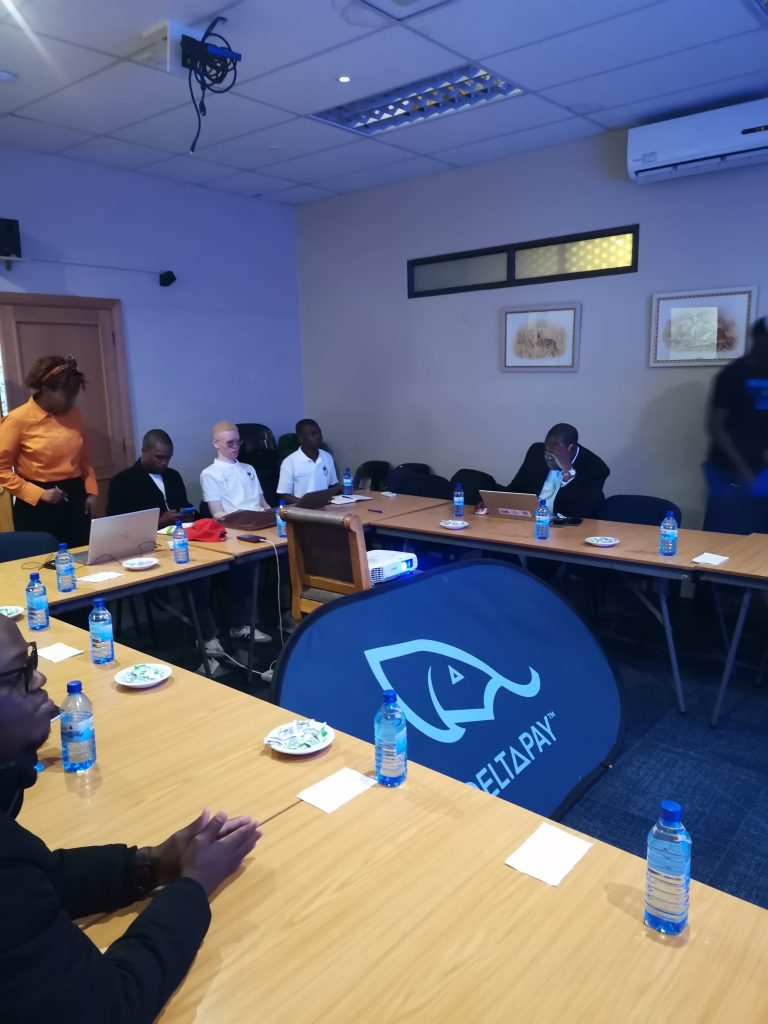
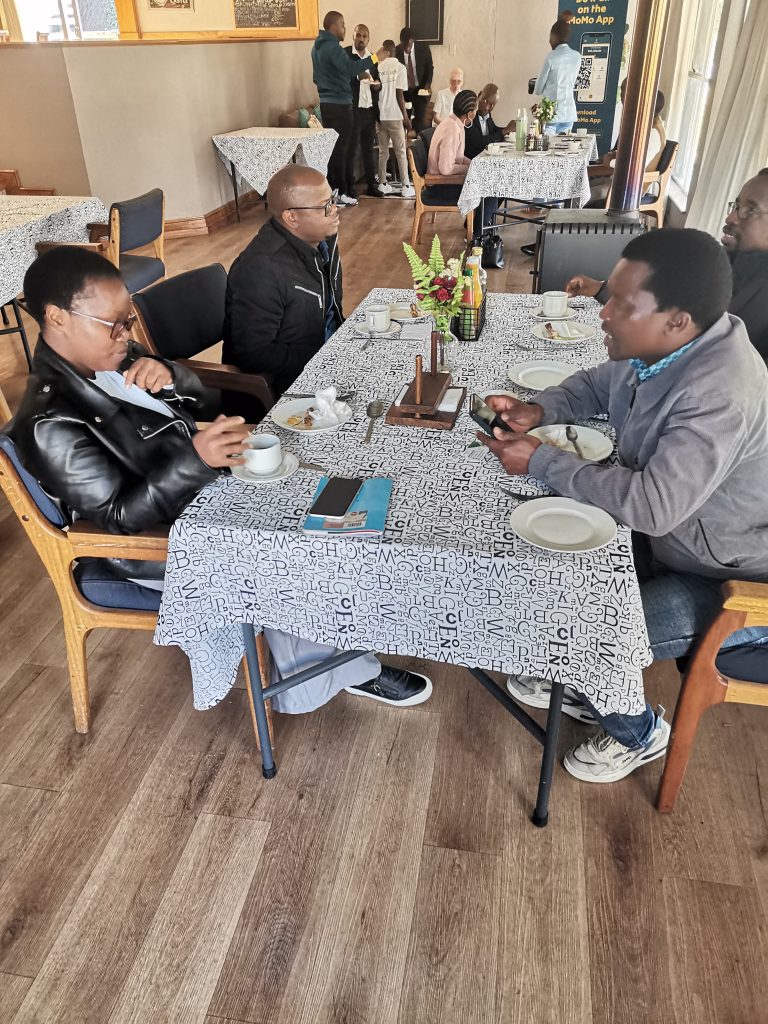
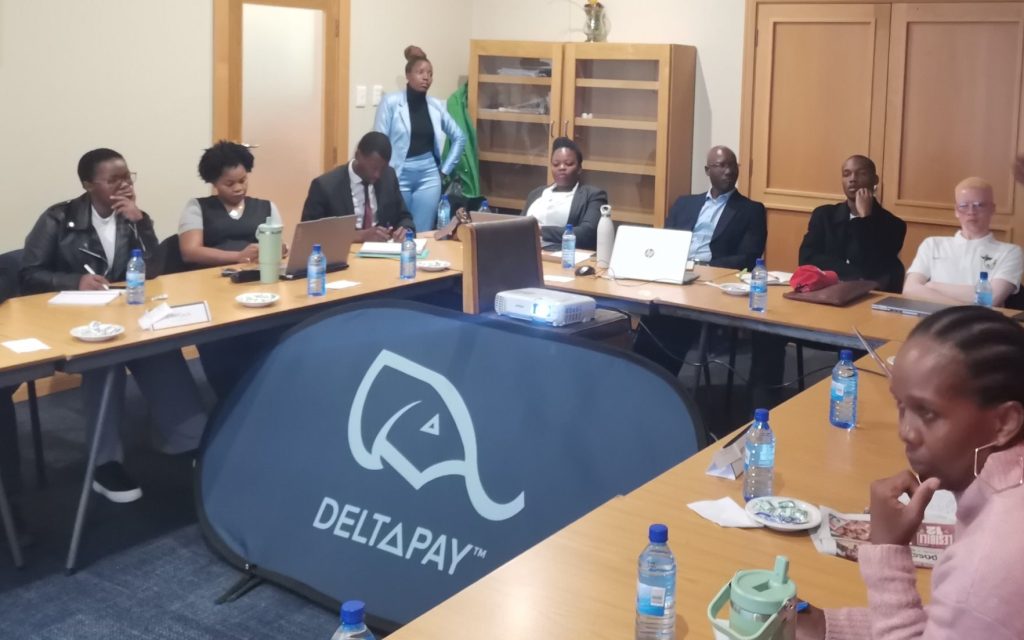
At the Money Matters Founder’s Forum held at the Mbabane Club,founders were reminded that financial discipline isn’t optional. It’s survival.
- Cashflow is King
Revenue on paper means nothing if there’s no cash in the bank to pay salaries, fuel, and suppliers on the 30th.
Mzwandile Tsabedze from Delta Pay, standing in for Co-Founder Adam Hulse, put it plainly:
”The cashflow question becomes fundamental.”
Cashflow is about timing. Money in, money out, and making sure you never get caught short between them. For founders, mastering cashflow means knowing what’s coming in, what’s going out, and when.
- Build a “Living Budget”, Not a Static One
Most founders set a budget and forget it. That’s dangerous.
”It is important to have a budget however budget is tricky,” Tsabedze explained.
”We may plan we will spend E3000.00 for the month for petrol, then you wake up the following day the regulator announces a 50c petrol increase.”
His example hit home:
”If I had budgeted E3000.00 on petrol, chances are I have E3000.00 in my back pocket for the month as I am trying to be cautious not to find myself in Amandla Financial Services. Then I fill up fuel using the E3000.00 and then it finishes on the 25th, not the 30th.”
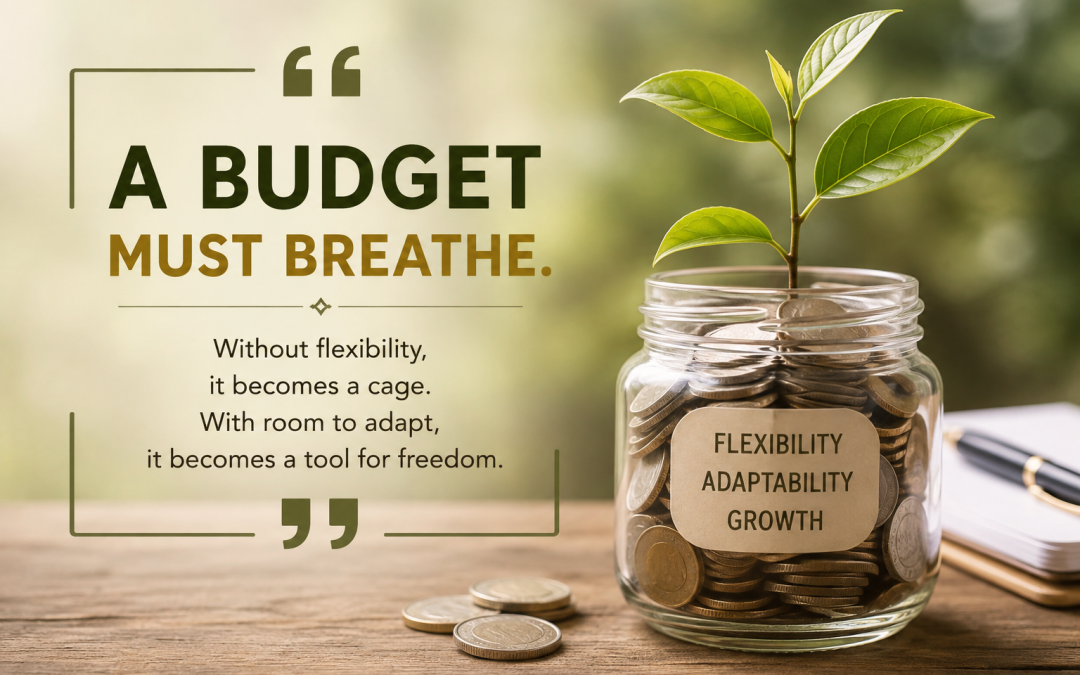
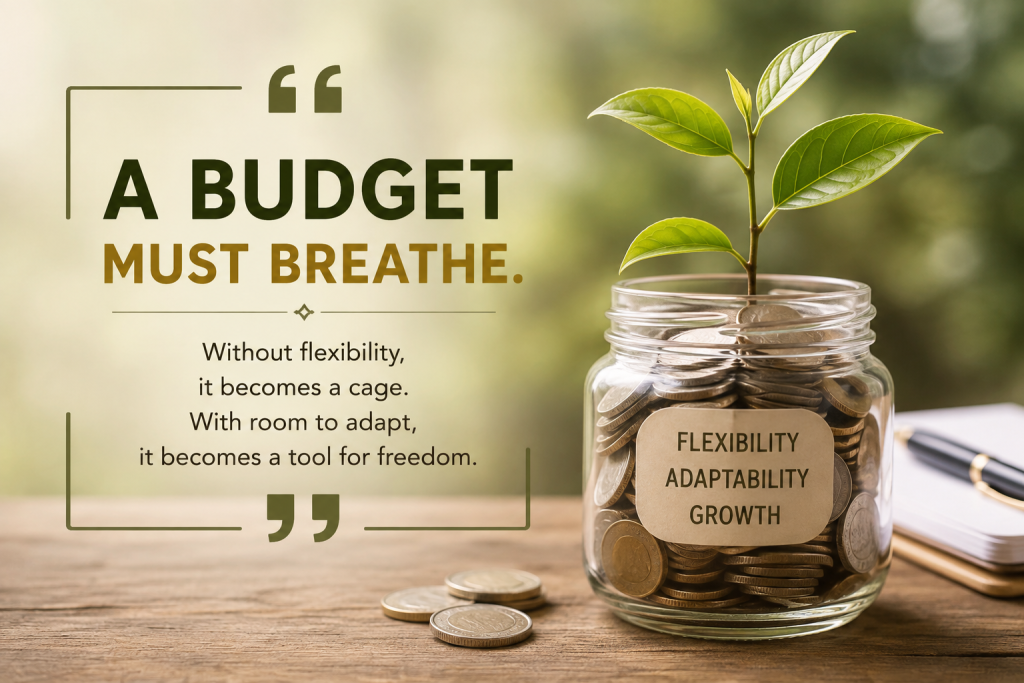
The lesson? A budget must breathe.
”Therefore it is important to have a living budget in the sense that you adapt with it,” Tsabedze said.
“If another expense increases, not to impact your business performance, you need to reduce particular expenses by this much. If not, you will be pushed to borrow.”
A living budget means:
1.Track weekly, not monthly
2.Reallocate fast when costs rise
3.Cut elsewhere before you cut into growth
4.Debt is for Expansion, Not Survival
One of the biggest mistakes founders make is using debt to plug cashflow holes.
” Debt in a business is not a survival tool, it is an expansion tool,” Tsabedze stated.
” If there is a need to borrow money for your business it means you have a big problem, you are in trouble and you have issue with your cashflow.”
He clarified when borrowing makes sense:
” We expect that if you go to Amandla Financial Services to borrow money it is for adding another truck if you had one. Then there is progress.”
The principle:
Bad Debt: Borrowing to pay salaries, fuel, or rent because you mismanaged cashflow.
Good Debt: Borrowing to buy an asset that will generate more revenue — a truck, machinery, stock, or new branch.
Key Financial Principles Every Founder Should Master
Based on insights from the Forum, here are 4 non-negotiables:
1.Master Cashflow First Know your inflows and outflows daily/weekly. Profit is vanity. Cashflow is sanity.
2.Run a Living Budget
Set it, but review it. When petrol goes up 50c, something else must come down. Don’t wait until the 25th to realize you’re broke.
3.Separate Business and Personal Money
The E3000.00 “in your back pocket” should be in the business account, tracked, and allocated.
4.Use Debt Strategically
Borrow to grow, not to survive. If you’re borrowing to cover basics, fix your cashflow first.
Founders don’t fail because they lack ideas. They fail because they lack financial control.
As Tsabedze reminded the room: plan for the unexpected, adapt your budget, protect your cashflow, and only use debt to scale.