By MoneyMatters Mag Staff
Inclusion is often talked about as “the right thing to do.” But at the Money Matters Founder’s Forum, the message was sharper: In Eswatini, inclusion is not charity, it is strategy.
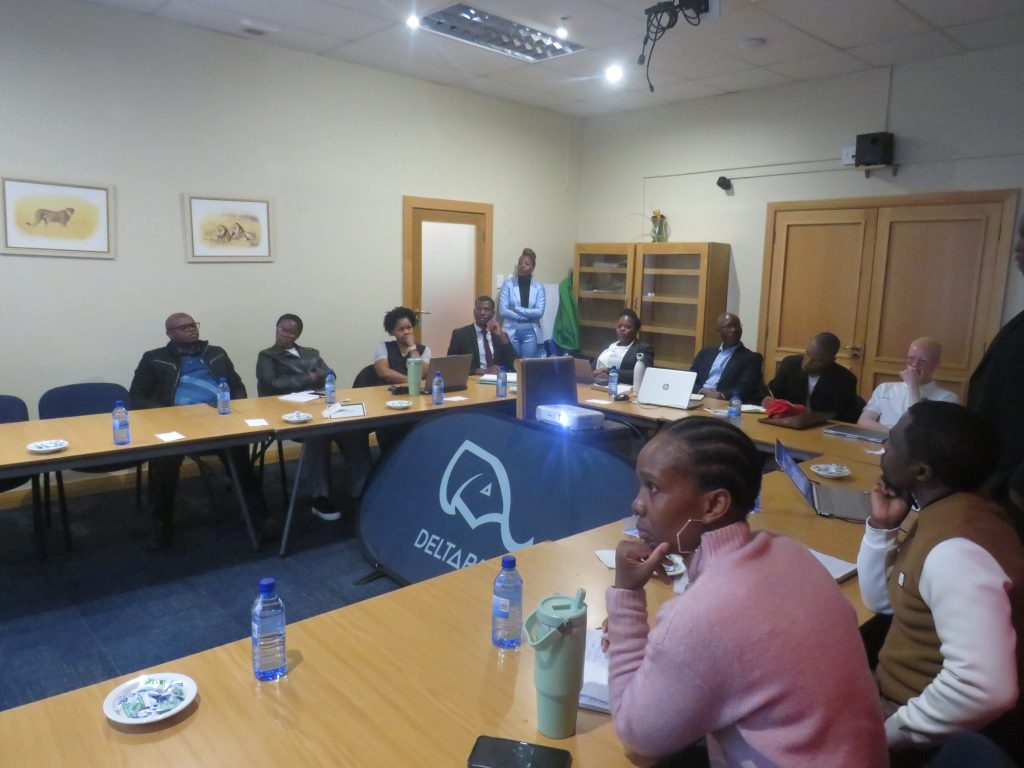
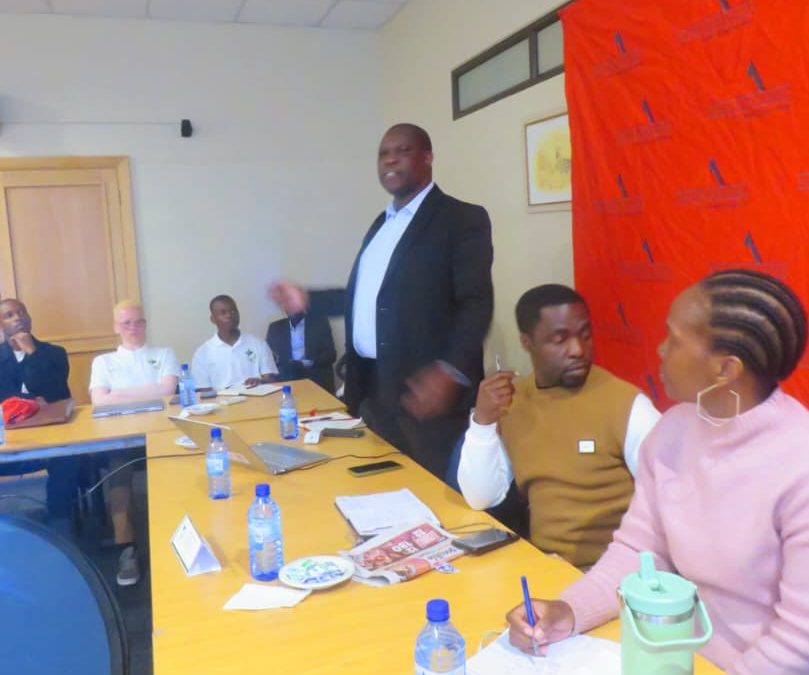
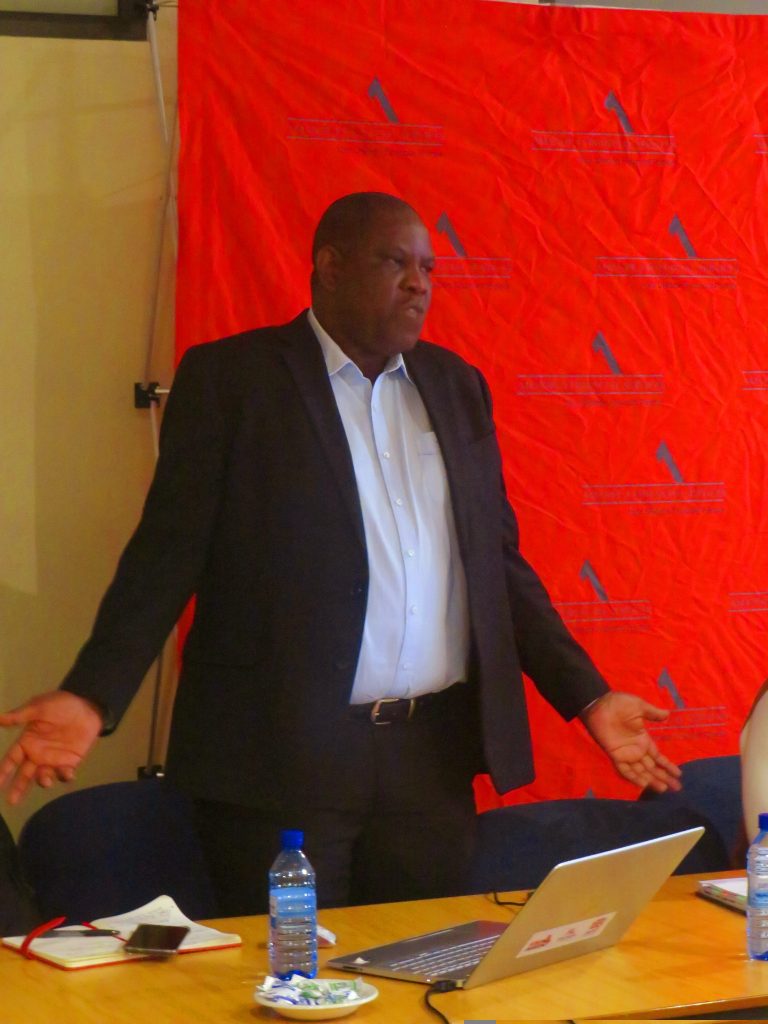
The session, led by Andrew Chapfika from Women Unlimited challenged founders to stop designing for “everyone” and start designing for real people — especially those historically left out of products, services, and finance.
“Do you allow young minds to speak?” Chapfika opened with the power of young talent and fresh thinking.
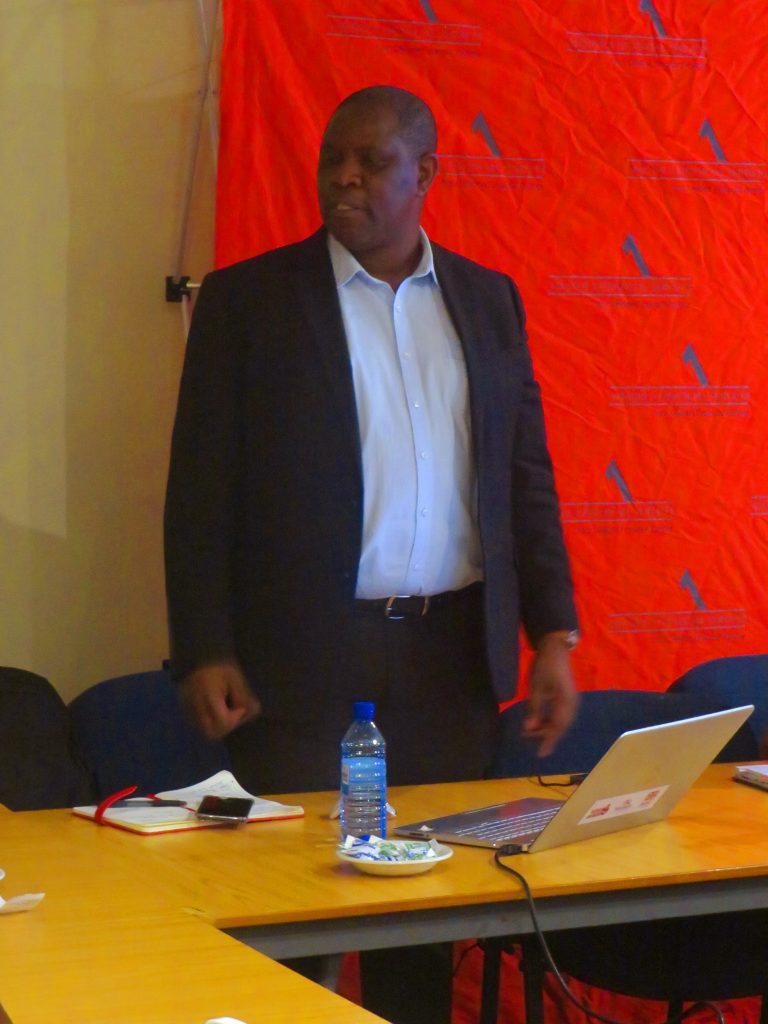
“Interns are coming to business to learn,” Chapfika said.
“The founder’s role is to educate them on how to fuse from within their professions, what are the skills they need. And these are young people that have good ideas.”His challenge to founders:
“Do you allow young minds to speak and bring value to your business? So think about it.”
For Chapfika, inclusion starts inside. It’s about building teams where diverse voices, including interns and youth, are heard and developed.
What we mean by “inclusive business”
Inclusion isn’t a marketing campaign. According to Women Unlimited’s framework shared at the Forum, it’s designing products, services, teams and go-to-market strategies to serve and include diverse users and contributors.
It’s a product strategy, not an afterthought. It’s about identifying underserved segments and building solutions that work for them first — which often benefits everyone.
Example: Gogo’s Mango in the Lubombo region. A grandmother noticed rural women’s mangoes were rotting with no market access. She organized 15 women into a cooperative, pooled their harvest, and began supplying supermarkets. Today the cooperative supplies 4 retailers, employs 42 women, and cut post-harvest loss by 70%.
The insight: She didn’t design for “everyone.” She designed for rural women farmers — and created a product urban customers now love.
Designing for context: The case of women-led firms
Chapfika highlighted a critical gap in Eswatini: finance for women-led businesses.
“If you look at statistics, women-led firms say ‘we don’t have finance’. It’s a constraint,” Chapfika noted. “So they are not necessarily a market failure. Don’t be saying these businesses are failing. Instead look at them and say: we need to design products for these women-led firms.”
The reason goes deeper than credit scores.
“If you look at the context, you value the history. You are in Eswatini, so you would know women in Eswatini generally have trouble to own assets because of historical challenges, preferences, culture and traditions. Women in Eswatini are working largely on land that does not belong to them. The title is not in it.”
He gave a stark example:
“So if you are very insisting that you want a loan from Standard Bank e.g. you need to bring us 50 hectares of land for E30,000,000, you know she is already excluded because she does not have control over the land. But she is utilizing it, she is making produce and delivering products to the market. So think about it.”
This is where inclusion becomes innovation. When banks and businesses design around collateral, they miss 70% of the agricultural workforce. When they design around cashflow, produce, and community trust, they unlock a market.
The business case: Why inclusion wins
From the Forum’s roadmap and evidence shared:
- Larger Addressable Market: 87% of adults are financially included but still underserved by formal products.
- Better Retention & Referrals: Serve hard-to-reach customers well and loyalty is powerful.
- Stronger Decision-Making: Diverse teams are more resilient, especially in volatile markets.
- Market Differentiator: Inclusive features become mainstream differentiators. Low-data, mobile-first designs pioneered for rural users now define the best UX for everyone.
Data point: 74% of women-led firms cite finance as a constraint.That’s not failure. That’s a market signal for products designed for their realities.
A practical roadmap for founders
Women Unlimited shared a simple path:
Research Widely → Design for Edge Users → Embed in Product → Inclusive Go-to-Market → Hire & Measure → Iterate.
Quick wins you can do this week:
- Run 3 interviews with users outside your network.
- Add one accessibility item to your next product sprint.
- Ask: “Who is missing from our feedback loops?” For many, it’s rural women who make up 70% of the agricultural workforce.
Inclusion is about seeing opportunity where others see obstacles. It’s about building for the intern with ideas, the woman farming land she doesn’t own, and the youth facing 65% unemployment.
As Chapfika at the founder’s Forum reminded us: design for diverse users, and you don’t just do good. You build a business that’s more competitive, more resilient, and more relevant to Eswatini.
“Inclusive features become mainstream differentiators.” The question for every founder is: Who are you designing for?