Cashflow Management: Staying the Course in Eswatini Business Environment
In Eswatini’s tough business environment, profit on paper means nothing if there’s no cash to pay rent, suppliers, and salaries on the 30th. That’s why founders at the Money Matters Academy Founder’s Forum kept coming back to one topic: Cashflow management
It’s Difficult to Separate the Company from the Owner”
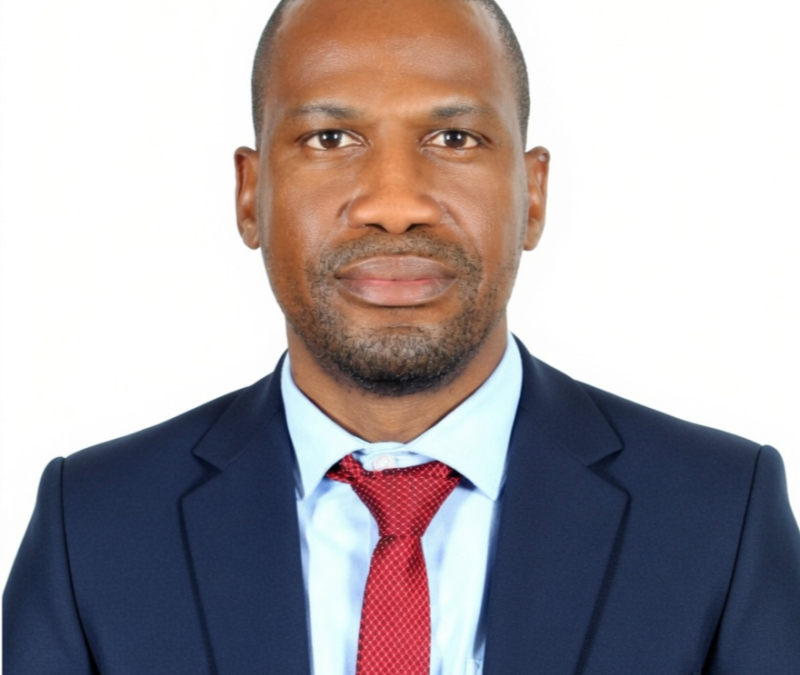
Speaking on a panel, Sicelo Christopher Gama, SG Advisory Founder and Financial Planner, was blunt about one of the biggest challenges founders faces.
“It is difficult to separate the company from the owner as a business founder. It is easier said than done, “Gama said.
” It is difficult to have separate pots as a business and owner. You end up using the same pot as the business as an owner.”
It’s a reality many SMEs know too well. Business money pays for school fees. Personal money buys stock. And before long, the lines blur and so does your cashflow.
Gama’s message: financial discipline starts with structure. Even if it’s hard, founders must create systems to track, separate, and protect business cash.

Financial Planner vs. Financial Advisor: What’s the Difference?
During the panel discussion, Timothy Malindzisa from MoneyMatters Magazine Africa asked Gama a key question many founders are confused about:
“What is the difference between a Financial Planner and a Financial Advisor?”
Here’s the breakdown Gama shared, and what it means for you:
Financial Planner
A Financial Planner looks at your whole financial picture and helps you build a roadmap. They ask: What are your goals? How much do you need to save? How do we budget, manage debt, plan for tax, retirement, and business growth?
Financial Advisor
A Financial Advisor usually focuses on specific products and investments. They advise you on where to put your money stocks, unit trusts, insurance, retirement annuities to meet the goals set in your plan.
In a nutshell, a planner helps you design the journey. An Advisor helps you choose the vehicles to get there. Many professionals, like Gama, do both.
The 3 Financial Principles Every Founder Must Master
Gama also challenged founders to focus on 3 fundamentals if they want to survive and grow:
Revenue
This is your top line. Are you bringing money in? No revenue, no business. But revenue alone can be misleading.
Cashflow
This is the lifeblood. Cashflow is about timing — when money comes in and when it goes out. You can be “profitable” but still run out of cash. In Eswatini’s environment with delayed payments and rising costs, managing cashflow weekly is non-negotiable.
Profits
This is what’s left after all expenses. Profit tells you if your business model actually works. But profit without cashflow and revenue discipline is an illusion.
For Eswatini founders, staying the course means building habits: separate business and personal accounts even when it’s hard, review cashflow weekly not monthly, and get professional help early.
As Gama reminded the room, the business and the owner are connected, but they shouldn’t share the same bank account.
Master those 3 principles, and you give your business the best chance to not just survive this economy, but to grow through it.
.