Why Human Capital Matters
In business, money, products, and systems are important. But none of them move without people.
Human Capital refers to the skills, knowledge, experience, and mindset of the people in your business. Human Resources (HR)is how you attract, train, align, and grow those people so they can drive the business forward.
For large corporations, HR is a department. For small businesses, HR is a strategy. It’s the difference between having “workers” and having a “team” that thinks like owners.
Research shows that businesses with strong human capital grow faster, innovate more, and retain customers better. For SMEs, where resources are limited, getting the right people with the right thinking is the biggest competitive advantage you can have.
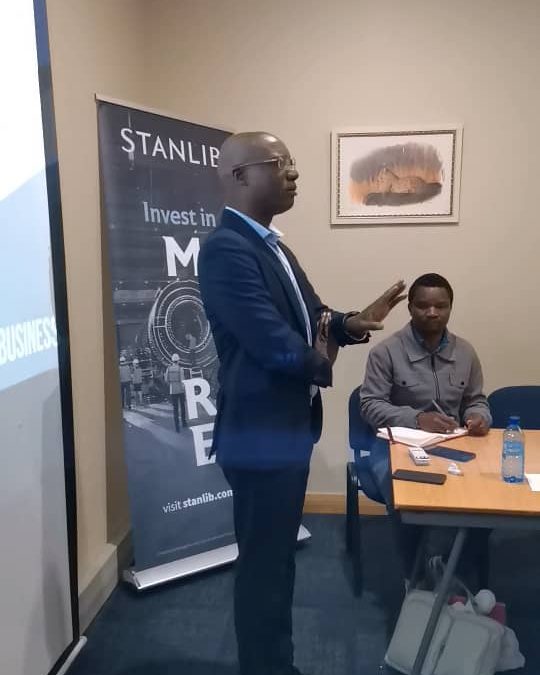
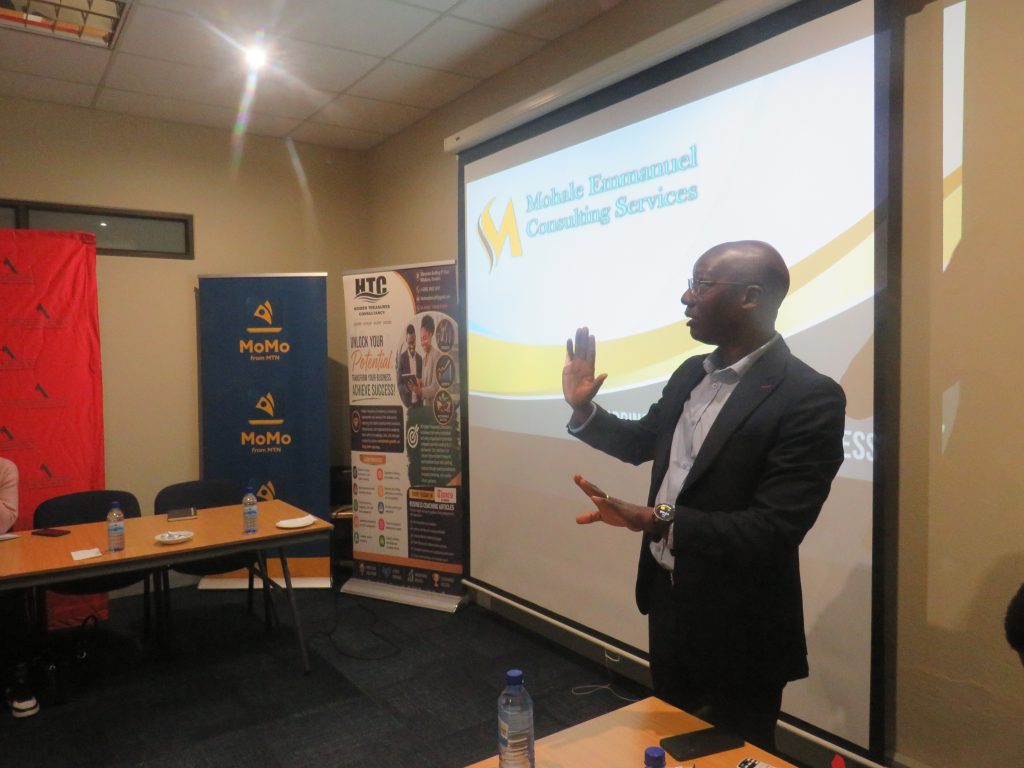
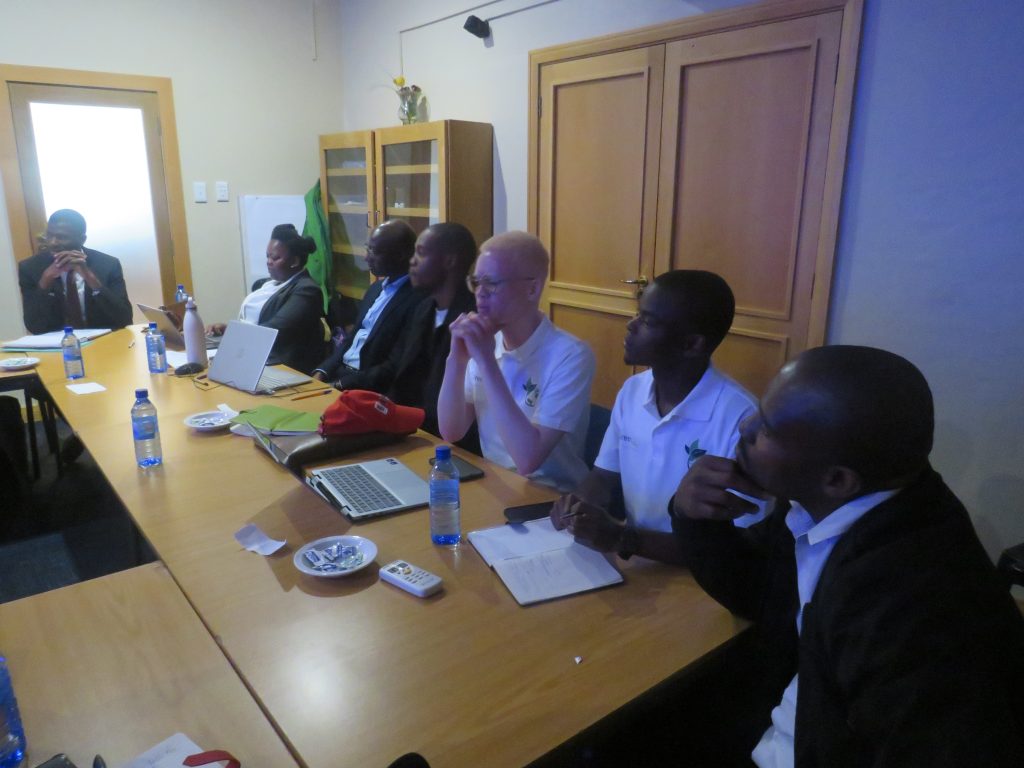
This was the focus of discussion at the Money Matters Academy Founder’s Forum, held on Wednesday at the Mbabane Club
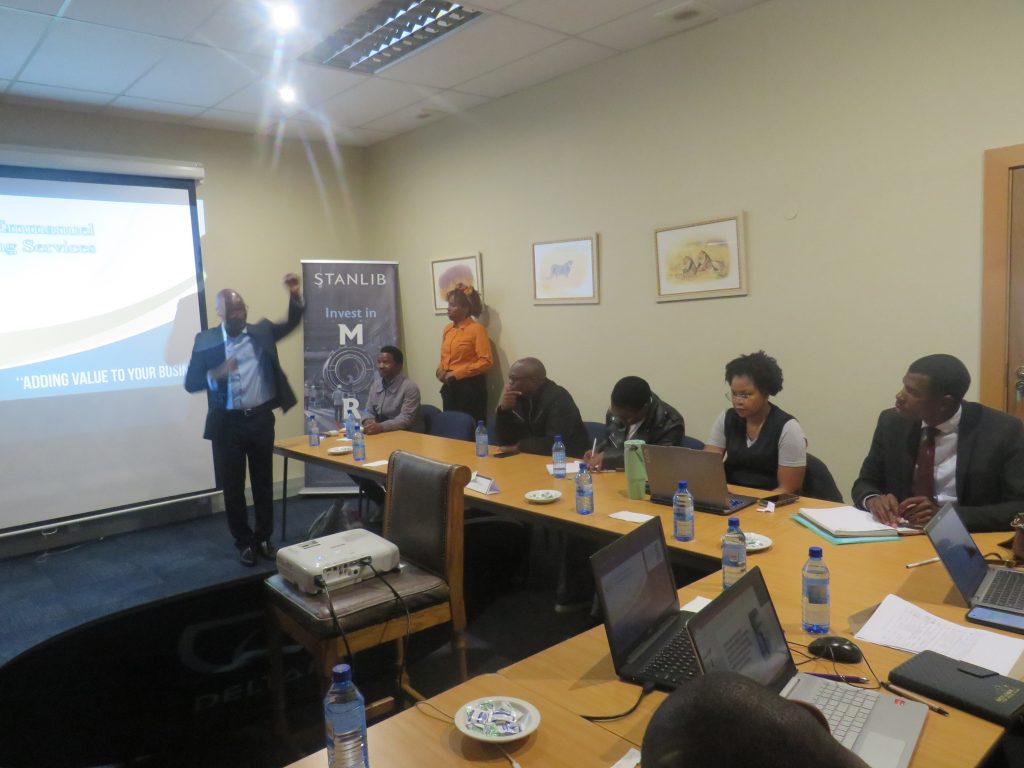
“You need people with the same thinking, that is aligned in terms of business direction”
George Shandu Mamaila, speaking to founders and CEOs, said alignment is everything.
“The people that you have in your entity need to have the same type of thinking, in building the business” he stated.
“Human capital is about where are we going as a business, and the employees that I have must have the same thinking in the culture we want to build.”
For Mamaila, HR in a small business isn’t about paperwork. It’s about building a culture where employees understand the vision and can make decisions that grow the company even when the founder is absent.
“We cannot milk the same cow”
Mamaila used a powerful analogy to explain diversification and opportunity.
As businesses, we can not milk the same cow. So what happens if the one cow runs out of milk? We need to diversify as an entity, and look for other business” he said.
He gave a local example:
“We cannot all in the company have Amandla Financial Services as a client. If I have Delta Pay as a client, another employee must target Hidden Treasures Consultancy. That’s what human capital is about.”
His point is that a strong team sees different opportunities. When employees think differently but toward the same goal, the business creates multiple income streams instead of fighting for the same market.
Mamaila connected HR directly to national impact.
“The more employees go out and get new business, the more the company grows. We will then need more people to employ to meet demand,” he said.
“Economic growth and absorbing people who are unemployed lies on small businesses. It lies in the Founders growing their businesses. So, if their businesses grow, the more we are able to absorb the unemployed by creating jobs.”
He also highlighted a key SME advantage:
“The beauty about small business is that they don’t have bureaucracy.”
This allows founders to hire faster, train faster, and adapt faster than big corporations.
Founders must separate themselves from the business.
His final advice was about building sustainable businesses.
“Founders must separate themselves from their businesses,” Mamaila urged.
When systems and people are in place, the business can scale, hire more, and continue creating jobs without depending on one person.
As Eswatini’s SMEs lead in innovation and employment, the message from the Founder’s Forum was clear: When you build your people, your people build your business. And your business builds the economy.