

By: Sincobangaye Msibi
MBABANE: On the first Friday of June, local entrepreneurs and aspiring leaders had gathered for an intensive masterclass on leadership in entrepreneurship. The guest speaker, Mr. Thabo Godfrey Mongatane delivered a sharp, sobering reality check to the packed room: your business is not an extension of your ego; it is a standalone entity. The silence inside the American Corner at the Mbabane National Library last Friday was heavy and prolonged. It was the distinct kind of silence that occurs when an audience is forced to unlearn everything they thought they knew about success, ego, and operational growth.
Mr Thabo’s insights are rooted in raw grit. Addressing the crowd, he shared his formative years growing up in a township in Limpopo, South Africa. His first exposure to commerce was helping his mother sell tomatoes as a street vendor and running his paraffin business. Witnessing the instant change of demand from paraffin to electricity taught him the fundamentals of survivalist business, but also its limitations. He then shared a viable lesson that: “Not everything is your fault, change is bound to happen with time”.
Determined to break boundaries, Thabo overcame early academic struggles to eventually qualify as a Chartered Accountant [CA(SA)]. Today, he serves as an executive business coach, at Mandela Washington Fellow, and the CEO of Kolano Investment Solutions Group, specializing in scaling small enterprises across Africa.
Drawing from his journey, Thabo tackled the single biggest trap catching early-stage business owners: the inability to separate personal identity from corporate structure. In a start-up, the founder initially does everything, leading to a dangerous psychological tether. Thabo shattered this mindset: “You are not the business. You are working in the business. The business is an independent entity on its own.
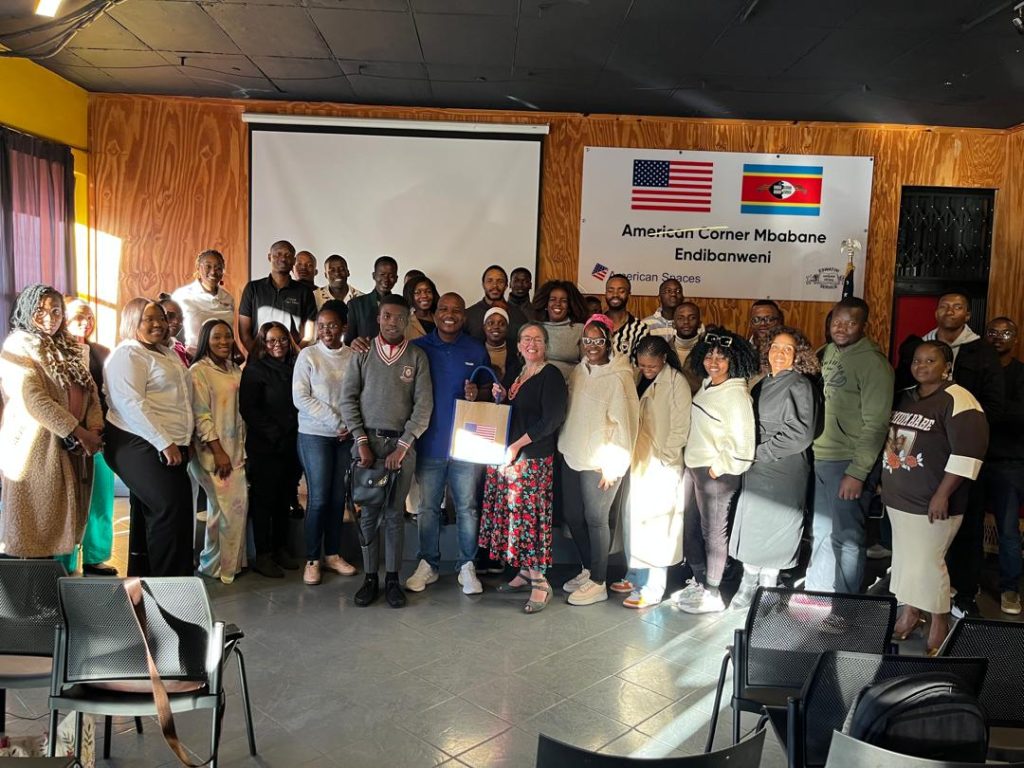
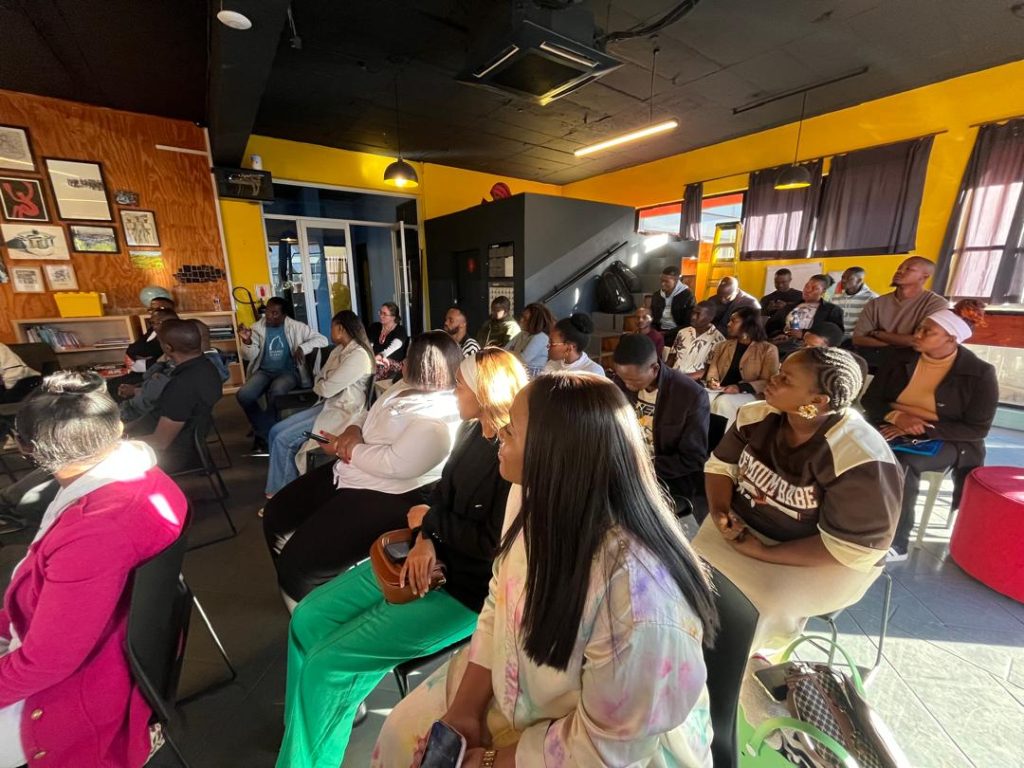
Because the true definition of entrepreneurship is scaling up from a small business, true leadership requires building automated systems and teams so the venture can eventually survive and function without the founder’s constant physical presence. To help the audience evaluate their operational discipline, he introduced his “BEAKS” framework:
B – Behaviour: Your daily habits, discipline and data usage.
E – Experience: Processing and leveraging past lessons in to business.
A – Attitude: Maintaining unwavering resilience in volatile markets.
K – Knowledge: Mastering your numbers, profit margins, and market data.
S – Skills: Actively developing technical and strategic capabilities.
Thabo shifted the focus to daily habits, auditing how attendees utilize their time. He noted that an entrepreneur’s contemporary success is directly determined by how they leverage data for continuous learning and how they utilize social media as deliberate commercial tools rather than spaces for passive entertainment. Moreover He insisted that attendees should go through their bank statement to audit their spending behaviour.
To demystify market acquisition, Thabo introduced a memorable analogy: business is exactly like dating. Many entrepreneurs fail because they try to “marry” customers on the first interaction. Instead, he mapped the journey across three romantic stages: starting with a “crush” (initial brand awareness), moving through building an acquaintance (earning trust
by delivering consistent value), and finally “crowning” the relationship (when the prospect commits to becoming a loyal customer). The atmosphere turned intense, falling into deep silence as Thabo asked point-blank if attendees were truly behaving like entrepreneurs. Participants left the American corner not just motivated, but equipped with a practical, structural blueprint to scale